

Someone asks you “how long is 2 inches” and your brain just blanks. It happens to almost everyone. You know inches exist, you’ve used a ruler before, but picturing an exact length without one in your hand? That’s a different skill entirely.
Here’s the short answer. 2 inches equals 5.08 centimeters, or 50.8 millimeters, or roughly 0.051 meters, or about 0.17 feet. That’s the math. But numbers on a page don’t help much when you’re standing in a store trying to figure out if a phone case will fit your device, or measuring a gap under a door.
This guide fixes that. You’ll walk away knowing exactly what 2 inches looks like, using things you already touch every single day. No ruler required.
Measurement Comparison Chart: What Does 2 Inches Look Like?
Charts make abstract numbers click. Your eyes catch patterns faster than your brain processes text, so seeing 2 inches lined up against other everyday measurements gives you an instant frame of reference.
| Unit | Value |
|---|---|
| Inches | 2 inches |
| Centimeters | 5.08 centimeters |
| Millimeters | 50.8 millimeters |
| Meters | 0.051 meters |
| Feet | 0.17 feet |
Keep this conversion chart bookmarked. Whether you’re shopping online for product specifications or handling a DIY project at home, this table saves you from pulling out a calculator every time.
How Long Is 2 Inches?
Two inches sits right in that sweet spot. Not tiny, not huge. It’s the kind of length that shows up constantly but rarely gets noticed until you actually need to measure something.
Think about the width of two fingers held together, side by side. That’s roughly 2 inches on most adults. Or picture a golf ball resting in your palm. Its diameter lands almost exactly at this mark too.
The imperial measurement system, used widely across the United States, relies on inches for everything from product dimensions to construction specs. In the United Kingdom and most of the world, the metric system rules instead, which is why knowing that 2 inches in centimeters equals 5.08 cm matters so much for international product specifications.
1. A Standard Paperclip
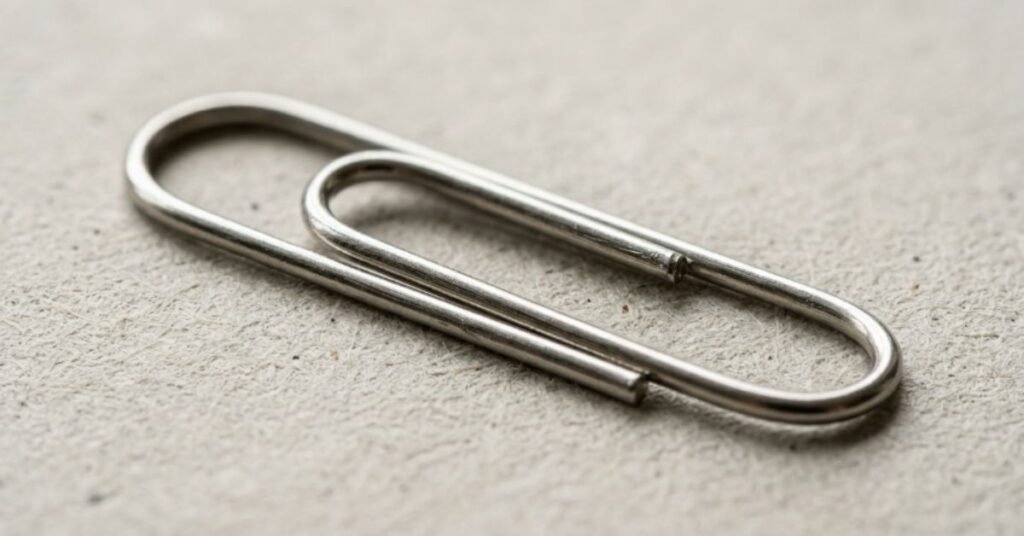
Grab a paperclip off your desk right now. Go on, I’ll wait. That little metal loop you use to hold papers together measures almost exactly 2 inches from end to end.
This makes it one of the most reliable measuring tools you didn’t know you owned. Office supplies like this show up in nearly every drawer, so next time you need a rough gauge for something small, skip the search for a ruler and reach for a paperclip instead.
Designers and engineers actually use small reference objects like paperclips during quick prototyping sessions. It’s not scientific, but it’s fast, and honestly, it works better than eyeballing things from memory.
2. The Width of a Credit Card (Short Side)
Your credit card or debit card carries a standardized size everywhere on the planet. The long side runs about 3.37 inches, but the credit card width on the short side clocks in right around 2 inches.
Banks and card manufacturers stick to this exact standardized dimension so your card fits every card reader, ATM, and wallet slot without a hitch. That consistency is why you can travel anywhere and your card just works.
Next time you’re waiting in line at checkout, glance down at the card in your hand. That short edge you’re holding? A near perfect 2 inch measurement, right there in your pocket.
3. A Large Coin Stack (4–5 Coins)
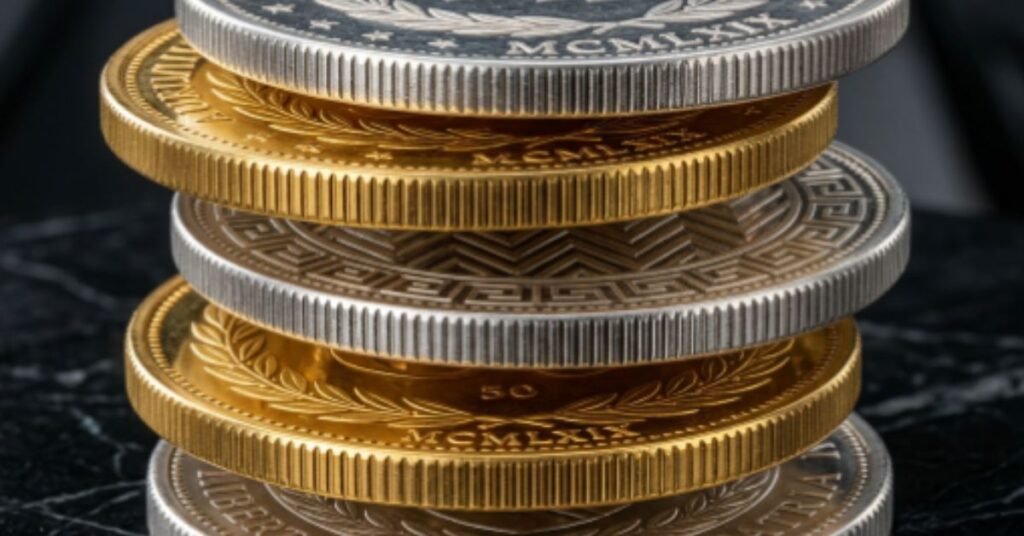
Stack four or five quarters on top of each other and you’ll land close to 2 inches in height. Coin thickness varies slightly depending on the denomination, but large coins stacked together build up faster than people expect.
This trick comes in handy more than you’d think. Say you’re packing a box and need to know if something will clear a certain gap. A quick coin stack gives you a physical, tangible way to check clearance without digging around for a measuring tool.
It’s also a fun party trick. Ask someone how tall five quarters stacked together would be, and watch them guess way off. Most people underestimate it.
4. The Diameter of a Golf Ball
Official regulation golf balls measure 1.68 inches in diameter, which sits just under 2 inches but close enough that golfers and casual observers alike round it up in daily conversation.
Hold one in your hand and you get a genuine feel for this short measurement. It’s compact, it’s round, and it fits neatly into your palm, which makes it a solid visual reference for anyone trying to picture circular objects at this scale.
Golfers carry these around constantly, tucked into pockets or golf bags. Next time you spot one lying around, pick it up and really notice the size. That mental note sticks longer than any chart ever could.
5. A USB Flash Drive
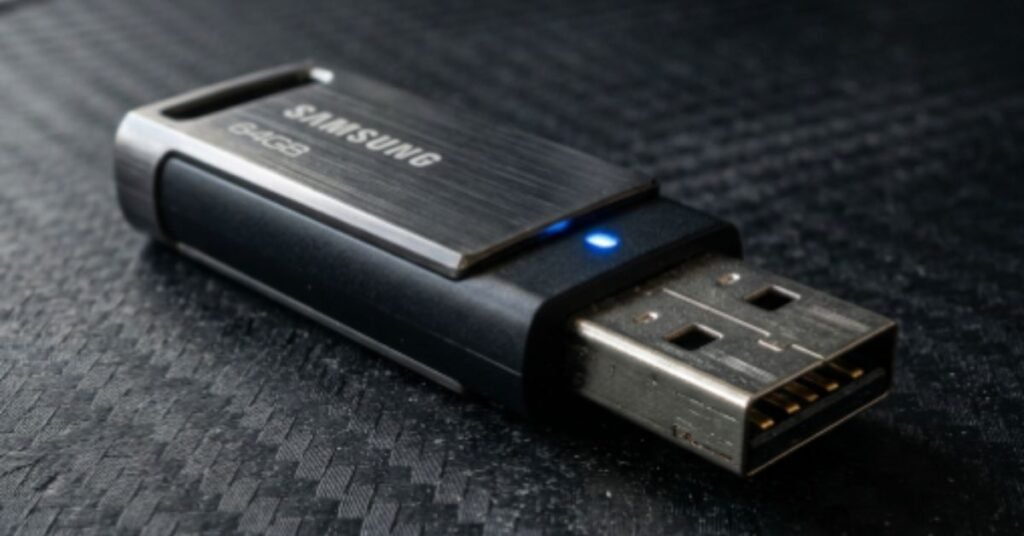
Most USB flash drives on the market today run close to 2 inches in length, sometimes a touch shorter depending on the brand and design. These storage accessories pack a surprising amount of data storage into a genuinely tiny shell.
Because they’re built for portability, manufacturers keep the design compact enough to clip onto a keychain or slide into a pocket without any bulk. The next time you plug in a flash drive for a quick data transfer, take a second to notice just how small that whole device really is.
It’s wild how much has shrunk. Two decades ago, storing a few gigabytes required massive external drives. Now it fits in something barely longer than a paperclip.
6. A Matchstick
A standard wooden matchstick measures close to 2 inches, give or take a few millimeters depending on the brand. Strike one and you’ve got a portable item that fits this exact size range almost every time.
These show up in kitchen drawers, camping kits, and emergency supply boxes. Because the size stays fairly consistent across most brands, a matchstick doubles as a decent physical reference when you’re trying to eyeball something small without pulling out a ruler.
Next campfire you light, grab one before striking it and hold it against your fingers. You’ll notice it lines up almost perfectly with that two fingers width mentioned earlier.
7. A Bottle Cap (Diameter)
Both plastic bottle caps and metal bottle cap varieties typically measure close to 2 inches across, though soda and water bottle lids often run a touch smaller than beer bottle caps.
This bottle lid size isn’t random. Manufacturers settled on this range decades ago because it balances grip, durability, and ease of sealing without wasting material. That’s smart product design hiding in plain sight on something you toss in the recycling bin without a second thought.
Next time you twist off a cap, flip it over and really look at it. You’re holding a genuine, real-world 2 inch measurement in your fingers.
8. The Length of a Thumb (Adult Average)
Here’s a fun one. The average adult thumb, measured from the base knuckle to the tip, comes in right around 2 inches for most people. This human body measurement has actually been used historically as an informal unit, which is partly where the inch itself gets its name from old English tradition.
Because your thumb travels with you everywhere, it doubles as a built in measuring tool whenever you’re stuck without a ruler. Not perfectly accurate, sure, but good enough for a quick estimating size check on the fly.
Try it yourself. Measure your thumb against an actual ruler once, note how close (or far) it lands from 2 inches, and you’ll have a personal reference point for life.
9. A Small Binder Clip
The small binder clip you use to bundle papers or seal a half open bag of chips usually measures close to 2 inches across the top, folded metal arms included. These office clip staples are everywhere, from classrooms to corporate desks.
Because they’re so common in an office environment, they make an easy go-to when you need a rough size estimation without hunting for anything fancier. Office supplies like these were practically designed with everyday measuring in mind, even if that wasn’t the original intention.
Check your junk drawer right now. There’s a good chance a small binder clip is sitting in there, ready to double as your next impromptu ruler.
10. A LEGO Minifigure’s Torso
Any parent or builder who has stepped on a LEGO piece barefoot knows these bricks intimately. The LEGO minifigure torso plus LEGO head combined measures close to 2 inches in total height, even though the pieces individually look tiny.
This makes LEGO minifigures a surprisingly handy visual reference, especially for kids learning about measurement for the first time. Toys double as teaching tools more often than we give them credit for.
Next family game night, hand a kid a minifigure and a ruler. Watching them discover that this little plastic figure equals almost exactly 2 inches tall is a genuinely satisfying way to teach measuring without a ruler as a broader life skill.
11. A Small Sewing Needle Case
Inside most sewing kits, you’ll find a small sewing needle case designed to hold pins and needles safely. These cases typically run close to 2 inches in length, compact enough to toss into a bag without adding bulk.
Craft supplies like this prioritize compact design above almost everything else. A tailor or hobbyist sewing at home needs tools that stay organized and portable, and this little case checks every box.
If you’ve got a sewing kit lying around from a hotel stay or a craft project, dig it out. That needle case gives you another everyday, pocket-sized object to compare against.
12. The Width of Two Fingers Together
Hold your index and middle finger together, side by side, flat on a table. For most adults, that width of two fingers lands close to 2 inches, making it one of the handiest built-in measuring tools you carry at all times.
This trick works because your fingers travel with you everywhere. No ruler, no measuring tool, no app needed. Just glance down and use your own hand as a quick visual estimation device whenever you’re in a pinch.
Designers, tailors, and even carpenters have leaned on this exact trick for generations. It’s not laboratory precise, but for casual, everyday sizing, it holds up remarkably well.
Why Knowing 2 Inches Matters for Everyday Life
Understanding everyday measurements isn’t just trivia. It shapes decisions you make constantly, whether you realize it or not. Shopping online for furniture, clothing, or electronics means reading product descriptions filled with numbers that mean nothing unless you can picture them.
Say you’re buying a phone case and the listing says it fits devices up to 2 inches wide at certain points. Without a mental reference, you’re guessing blind. With one, you already know that’s roughly the credit card width or two fingers pressed together.
This kind of practical skill saves returns, wasted money, and frustration. It also builds confidence during DIY projects, where a measuring hack using items around the house beats stopping mid task to hunt for a ruler.
Quick Ways to Estimate 2 Inches Without a Ruler
Sometimes you just need a fast answer and no measuring tool in sight. Here are reliable measurement hacks worth remembering.
- Press your two fingers together for an instant 2 inch gauge
- Use a standard paperclip as a quick physical reference
- Stack four to five quarters for a vertical estimate
- Check the short edge of any credit card in your wallet
- Compare against a golf ball’s diameter if one’s nearby
None of these replace an actual ruler for accurate measurement, but for casual, real-life situations, they get the job done fast.
2 Inches in Different Units: A Simple Breakdown
Different projects call for different units, and knowing how 2 inches translates keeps you from making costly mistakes, especially when working across international product specifications.
- 2 inches in centimeters: 5.08 cm
- 2 inches in millimeters: 50.8 mm
- 2 inches in meters: 0.051 m
- 2 inches in feet: 0.17 ft
If you’re shopping from a site based outside the United States, always double check whether product dimensions are listed in the imperial measurement system or metric. That single detail prevents ordering something that doesn’t fit your space at all.
How 2 Inches Compares to 1, 3, and 5 Inches
Context helps lock in understanding. If you already know how long is an inch, doubling that gets you to 2 inches almost automatically. It’s the length of one thumb width, roughly.
Move up to how long is 3 inches and you’re looking at one and a half times the size of everything on this list. Think a small smartphone width, or three stacked golf balls lined up.
Jump to how long is 5 inches and now you’re in smartphone screen territory, or about two and a half credit card widths placed end to end. Seeing these side by side builds a mental ladder, making every future size estimation faster and more instinctive.
Final Thoughts
Two inches shows up more often than most people ever notice. A paperclip, a bottle cap, the width of your own fingers pressed together. These small, familiar objects turn an abstract number into something real and touchable.
Next time someone asks how long 2 inches actually is, skip the calculator. Point to a golf ball, a stack of quarters, or your own thumb. You’ve got a built-in reference object with you at all times, and now you know exactly how to use it.
Got a favorite everyday item that measures close to 2 inches? Drop it in the comments below. Sharing these little visual references helps everyone build a sharper, faster sense of size estimation for daily life.

James Walker is a content writer and researcher with a passion for making everyday information simple, useful, and easy to understand. He enjoys researching measurements, dimensions, size comparisons, and interesting facts and turning them into clear, engaging content for readers.
Through his work at HipeDigest, James focuses on providing informative and reader-friendly articles that combine accuracy, simplicity, and practical examples. His goal is to help readers discover useful information while making every topic enjoyable and easy to explore.
