

Six inches equals half a foot, or about 15.24 centimeters. That’s roughly the length of a dollar bill turned sideways, or the width of a standard sheet of paper.
Most people struggle to picture 6 inches long without something to compare it to. Your brain needs a real object to lock onto before the number actually means anything.
That’s exactly why this guide exists. We’re breaking down common things that are 6 inches long, so the next time you need a quick 6 inch length reference, you’ll have one ready in your head.
Why Understanding 6 Inches Matters
Knowing how big is 6 inches helps with more than just school math. You’ll use it for DIY projects, cooking, shopping online, and even figuring out if furniture will fit through a doorway.
Length estimation is a skill most adults never really practice. We rely on rulers and tape measures so much that our natural sense of size estimation gets rusty.
Once you build a mental list of 6 inch objects, you stop guessing. You just glance at something familiar and know instantly whether it matches up.
9 Common Things That Are 6 Inches Long
Here’s where it gets fun. These are everyday objects that are 6 inches long that you probably already own or see all the time.
A Standard Toothbrush

A regular adult toothbrush measures close to 6 inches from tip to tip. It’s one of the easiest 6 inches example items because almost everyone has one in their bathroom right now.
Next time you brush your teeth, take a second look. That little tool in your hand is a perfect size comparison for six inches.
A Typical Pencil
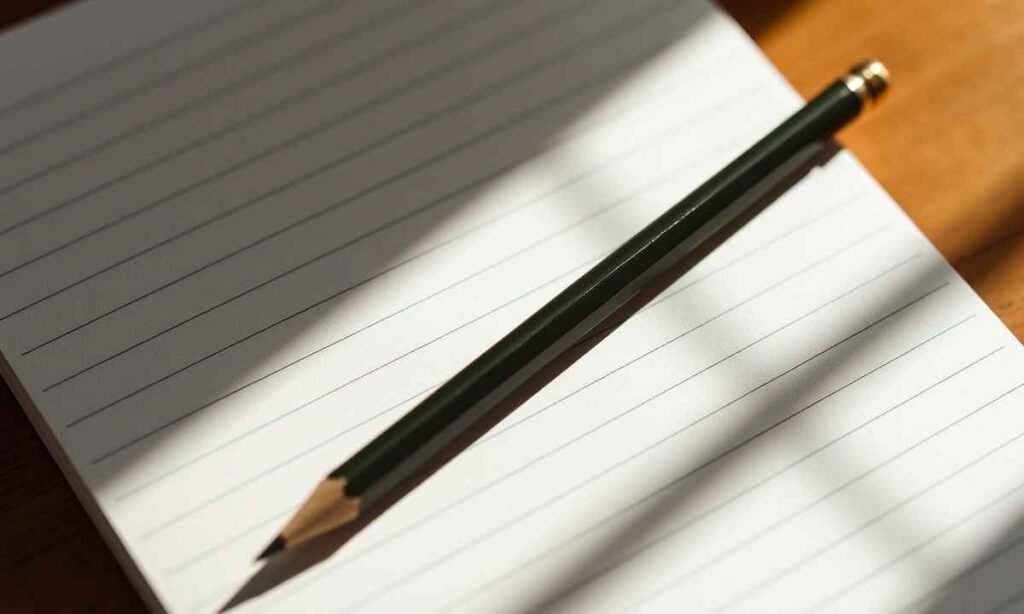
An unsharpened pencil usually runs about 7 inches, but once it’s been sharpened and used a bit, it drops close to 6 inches. It’s a handy length reference since pencils show up in every classroom and office drawer.
Keep one nearby and you’ve got an instant visual measurement tool without even trying.
A Smartphone Like the iPhone 16 Pro
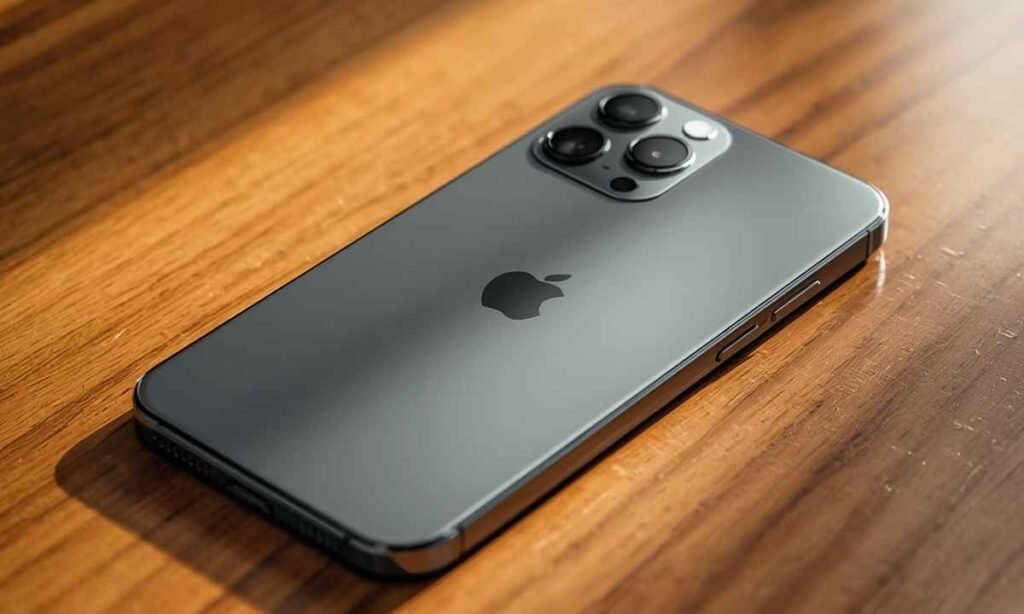
The iPhone 16 Pro measures roughly 6 inches in height. That makes your own smartphone one of the best 6 inch size reference tools you carry everywhere.
Since almost everyone has a phone in their pocket, this is probably the fastest way to visualize 6 inches on the spot.
How long is 6 inches on a ruler
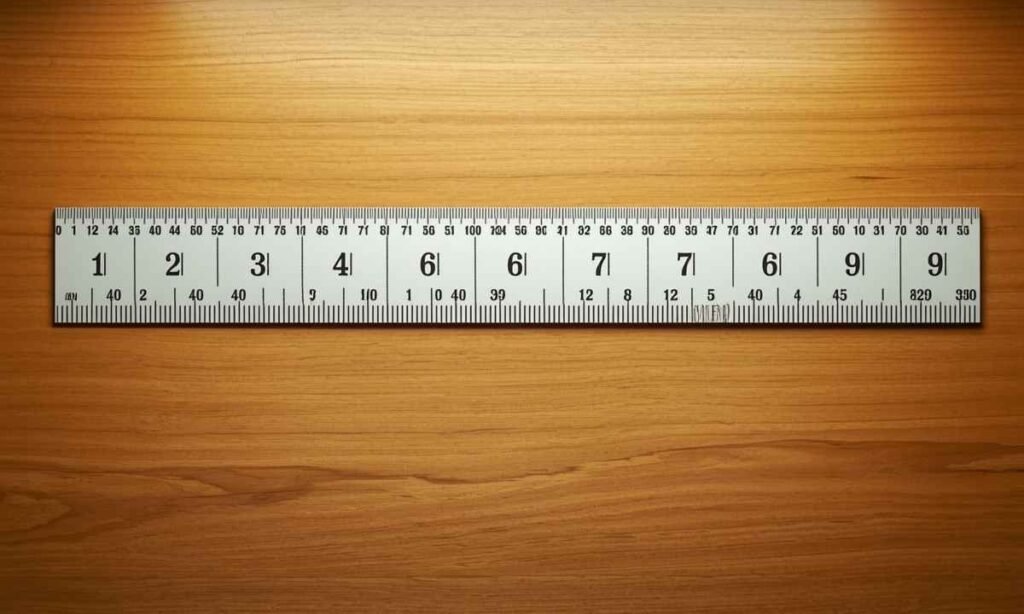
On a standard 12 inch ruler, 6 inches sits exactly at the halfway mark. Look for the big number 6 printed in the middle, that’s your 6 inches long point.
If you don’t have a ruler, remember that most rulers are labeled clearly enough that finding the middle takes just a glance.
A TV Remote Control
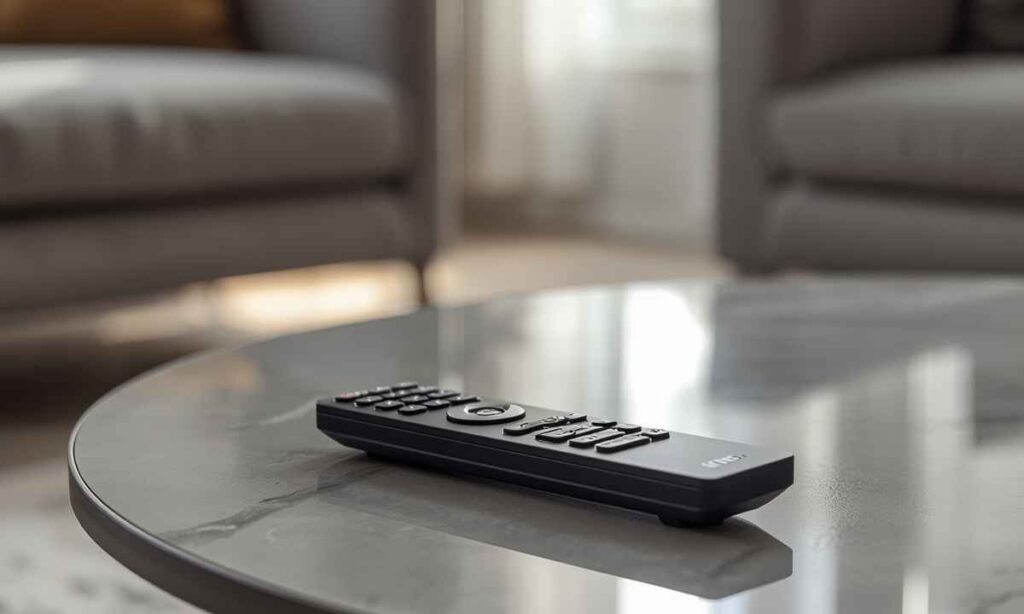
Most TV remote controls measure somewhere between 5 and 6 inches long. It’s another item that’s already sitting in your living room, making it a super convenient everyday size reference.
Grab yours and compare it next to a ruler sometime. You’ll be surprised how close it lands to six inches.
A Six-Inch Sub Sandwich

A sub sandwich from most sandwich shops comes in a 6 inch size by default. This is probably one of the tastiest ways to remember a 6 inch length, since food sticks in memory better than numbers do.
Next time you order lunch, you’re literally holding a real-world dimensions lesson in your hands.
A Kitchen Knife Blade
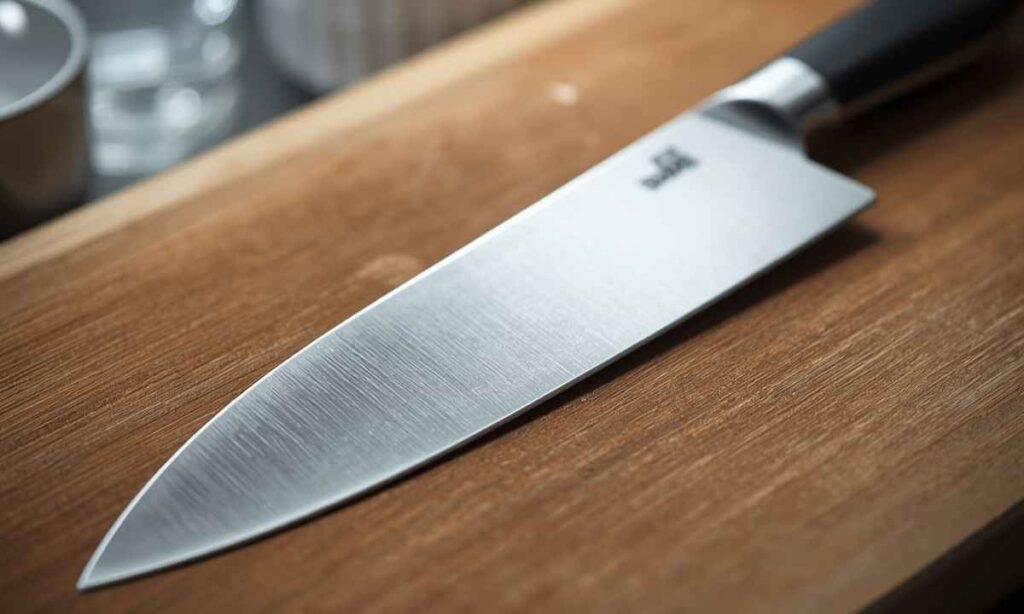
Many kitchen knife blades, especially chef’s knives, measure around 6 inches. The knife blade length is a common spec listed on packaging, so it’s easy to check.
This makes kitchen tools a solid go to for object comparison if you’re someone who cooks often.
A Large Spoon
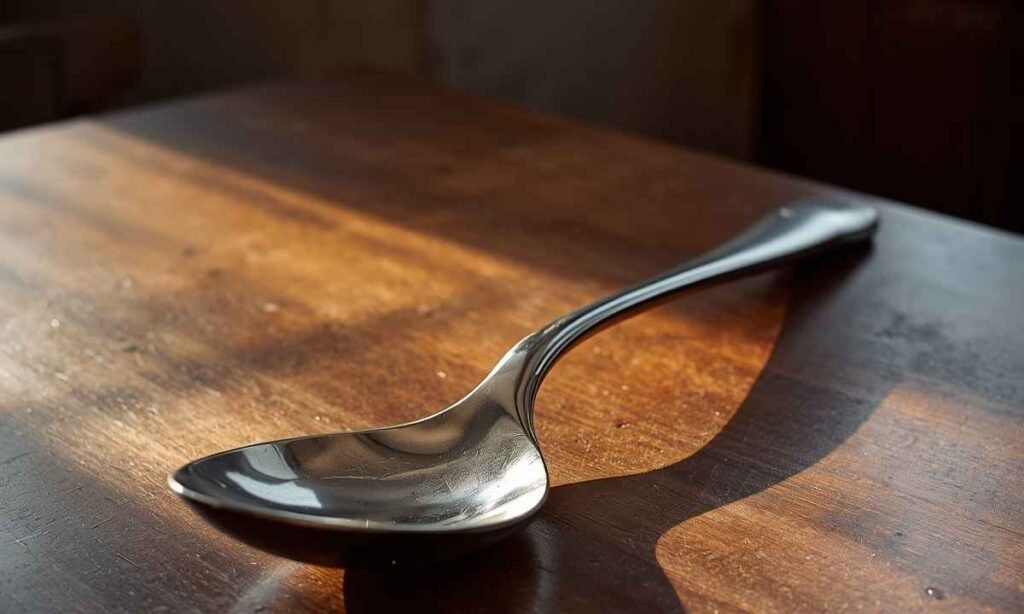
A large spoon, like a serving spoon, typically stretches close to 6 inches from the tip of the handle to the bowl. It’s a common item that quietly fits the 6 inch objects category without anyone noticing.
Next time you’re setting the table, take note of the size difference between regular spoons and serving spoons.
A Hand Span
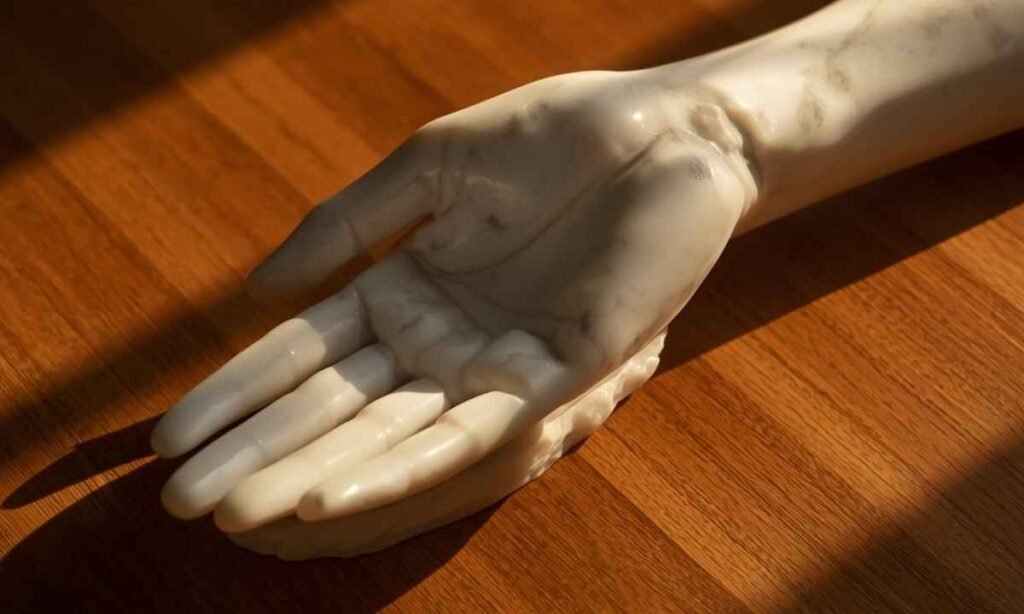
Your hand span, the distance from your thumb tip to your pinky tip when stretched out, is close to 6 inches for many adults. This makes your own hand one of the most practical measurement tools you’ll ever own.
It won’t be exact for everyone, but it’s a fast way to guess sizes when you’re out and about.
What Does 6 Inches Look Like Compared to Everyday Objects?
Picture a postcard standing on its short side, or a screwdriver handle plus part of its shaft. These give you a strong visual comparison without needing any tools.
Once you line up a few of these items side by side, the number six inches stops being abstract. It becomes something you can actually picture in your mind.
Common Things That Are 6 Inches Long Around the House
Beyond the kitchen and bathroom, your whole house is full of household objects close to this size. Think TV remotes, hairbrushes, small notebooks, and even some phone chargers.
Once you start noticing, you’ll realize familiar objects near this length are everywhere. It’s honestly kind of fun once you start spotting them on purpose.
Measuring 6 Inches Without a Ruler
Sometimes you need a quick measurement and there’s no tape measure around. Here are a few simple tricks using measurement reference items you likely already own.
Use Your Smartphone
Most phones measure close to 6 inches tall. Hold yours next to whatever you’re checking for a fast, rough estimate.
Use a Toothbrush
Since a toothbrush is already close to 6 inches, it works great in a pinch. Just grab one from the bathroom and line it up.
Use Your Hand Span
Stretch your hand out and use the thumb to pinky distance. It won’t be perfect, but it gets you close enough for everyday needs.
Fold Printer Paper
A sheet of printer paper is 8.5 inches wide. Fold it down and mark roughly three quarters of that width to land near 6 inches.
Compare Multiple Credit Cards
A standard credit card or ID card is about 3.4 inches long. Line up almost two of them end to end and you’ll land close to six inches.
Six Inches in Different Measurement Systems
If you’re more comfortable with the Metric system, 6 inches in centimeters comes out to about 15.24 cm. In 6 inches in millimeters, that’s roughly 152.4 mm.
In the Imperial system, 6 inches to feet works out to exactly half a foot. Knowing these unit conversion numbers helps when you’re shopping from international sites or reading labels from other countries.
Why Humans Struggle With Size Estimation
Our brains aren’t naturally wired for precise measurement skills. Human perception relies heavily on comparison, not raw numbers, which is why staring at “6 inches” on a screen rarely means much.
This is also tied to spatial awareness and spatial intelligence, skills that improve with practice. The more you compare real objects, the sharper your size perception gets over time.
Everyday Objects 6 Inches Long and Why They Help
Every item we’ve covered shares one thing in common. They’re all things you already interact with, which makes them way more useful than an abstract number ever could be.
Using everyday items as your visual size guide means you never really need a ruler again for rough estimates. Your brain starts doing the math automatically once it has enough reference points stored.
How Big Is Six Inches Compared to Other Common Measurements?
Six inches is shorter than a standard ruler, which measures 12 inches. It’s longer than a typical 6 inch comparison point like a golf tee or a small key.
Placing it between these familiar sizes gives you a stronger sense of relative distance for future guessing. It also helps when you’re trying to picture 6 inches in real life during online shopping.
Building Your Own Mental Ruler
Try picking three or four objects from this list that you see daily. Your phone, a spoon, or your own hand span all work great as personal benchmarks.
Over time, this becomes your own mental ruler, something you can pull up instantly. It’s one of the simplest ways to master measuring by sight without carrying a single tool.
Conclusion
Six inches doesn’t have to stay a confusing number on a page. With common things that are 6 inches long like your toothbrush, phone, or even lunch, you’ve got instant references anywhere you go.
Keep practicing this kind of visual estimation and it’ll become second nature fast. Before long, you’ll be measuring things by sight like it’s the easiest thing in the world.

James Walker is a content writer and researcher with a passion for making everyday information simple, useful, and easy to understand. He enjoys researching measurements, dimensions, size comparisons, and interesting facts and turning them into clear, engaging content for readers.
Through his work at HipeDigest, James focuses on providing informative and reader-friendly articles that combine accuracy, simplicity, and practical examples. His goal is to help readers discover useful information while making every topic enjoyable and easy to explore.
