


You’re holding a measurement guide, a ruler, or maybe just your phone, trying to picture how big is 1 inch actually is. Numbers on a screen don’t always click. You need something real, something you can touch or picture in your kitchen drawer.
That’s exactly what this guide does. No confusing charts, no dry textbook talk. Just plain, everyday things that measure close to one inch, so you can look at your desk, your wallet, or your own hand and go “oh, that’s it.”
By the end, you’ll never need to ask how big is 1 inch again. You’ll just know.
1 Inch, Converted Every Way
Let’s get the numbers out of the way first, because some of you came here for the conversion chart, not the trivia. One inch equals 2.54 centimeters, or 25.4 millimeters. If you’re working in metric units, that’s your quick answer.
In feet, an inch is 1/12 of one foot. In yards, it’s an even smaller slice, about 1/36. And if you’re a DIY person switching between imperial units and metric units mid-project, keep this conversion chart nearby:
- Inch to cm: 1 inch = 2.54 cm
- Inch to mm: 1 inch = 25.4 mm
- Inch to feet: 1 inch = 0.0833 ft
- Inch to meters: 1 inch = 0.0254 m
- Inch to yards: 1 inch = 0.0278 yd
Now that the math is sorted, let’s get to the fun part. The visual size guide you actually came for.
16 Everyday Things That Land Right Around 1 Inch
Here’s where the numbers turn into pictures. Each of these common objects sits close to one inch in one dimension or another, whether that’s width, length, thickness, or diameter. Grab a few from around your house and check them against a tape measure. It’s oddly satisfying.
Think of this as your personal size comparison cheat sheet. No lab equipment required, just stuff you probably already own.
Hockey Puck (Top to Bottom)
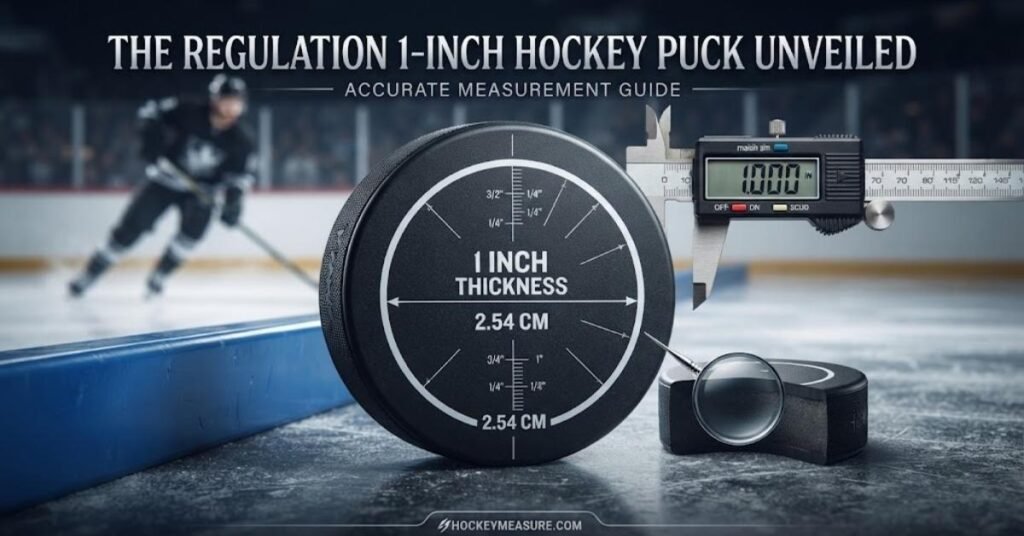
A regulation hockey puck stands exactly 1 inch tall, measured from top to bottom. It’s a hard rubber puck, frozen before games so it slides flatter and faster on the ice.
That thickness is locked in by league rules, so every frozen hockey puck you’ve ever seen at a rink matches this inch measurement precisely. It’s one of the most consistent physical objects you’ll find for this kind of comparison.
Next time you watch a game, you’re basically staring at a moving inch ruler.
A Stack of Pennies
Line up a coin stack of roughly 6 pennies and you’ll hit close to 1 inch in height. Each US penny measures about 1.52 millimeters thick, so the math works out fast.
This trick isn’t just cute trivia either. Machinists sometimes use a coin stack as an improvised feeler gauge when the real tool isn’t handy. The US Mint keeps penny dimensions remarkably consistent, which makes this hack surprisingly reliable.
Grab some spare change and try it yourself. It’s a fun little desk experiment.
Standard Wine Cork
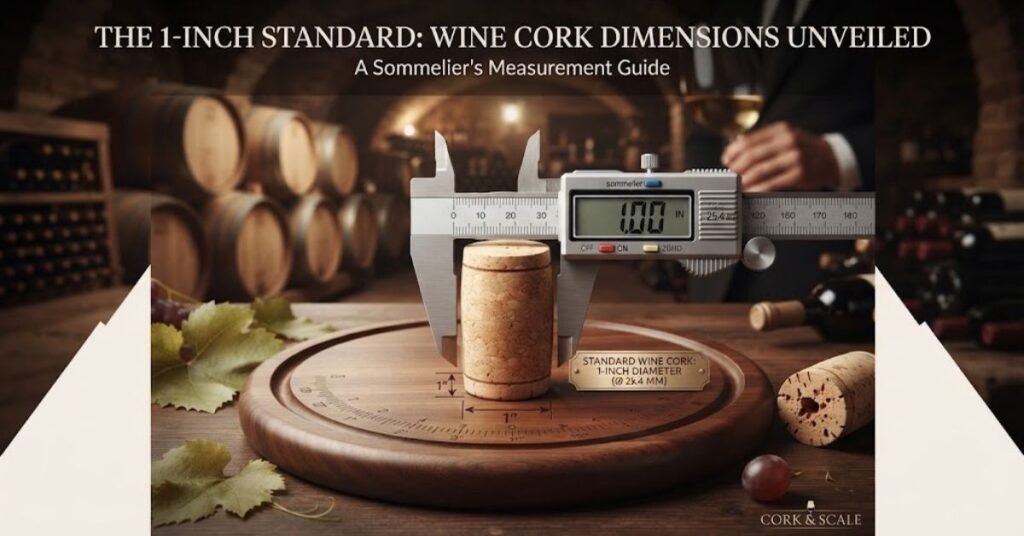
A standard wine cork, often labeled a #9 cork, runs close to 1 inch in diameter at the base before it’s squeezed into the bottle neck. Once it’s compressed and jammed in, the cork diameter shrinks slightly to fit snugly.
Wine folks know this measurement well because cork sizing directly affects how well a bottle seals. Too wide and it won’t fit. Too narrow and your wine goes flat.
So next time you open a bottle, that little cork in your hand is basically a soft, squishy inch.
US Dollar Coin
The golden dollar coin, the one with Sacagawea or a US president on it, measures 1.043 inches across. That’s about as close to a true inch as coin currency gets in America.
Compare that to a quarter coin, which measures smaller at 0.955 inches. The coin diameter difference is subtle, but if you’ve got both in your pocket, you can feel it.
Coins make great size comparison tools because everyone has a few lying around.
Forever Stamp
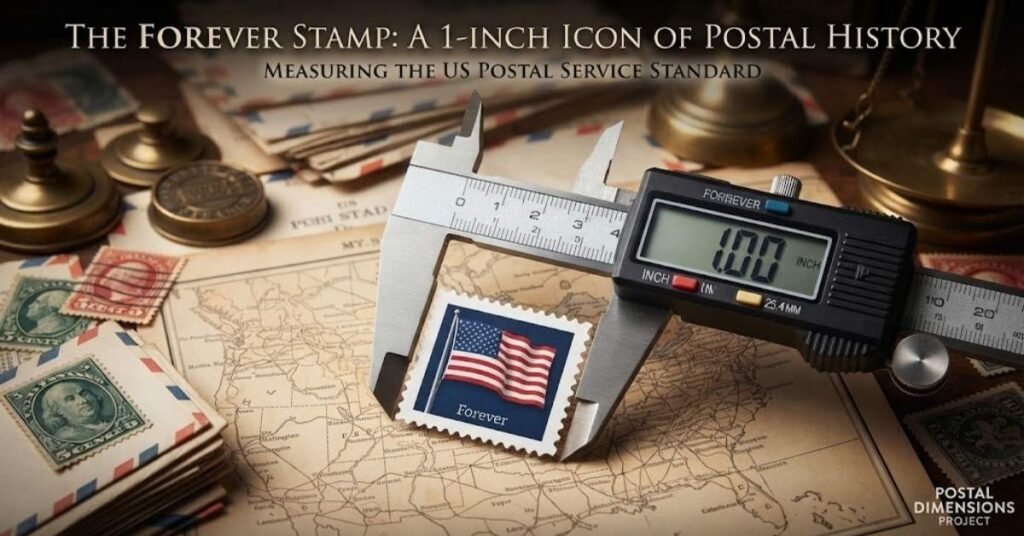
A Forever Stamp measures right around 1 inch wide, which isn’t an accident. The postal service designs stamps to fit standard envelope printing and mail sorting machines efficiently.
That inch measurement keeps everything uniform, whether you’re mailing a birthday card or a business letter. It’s a small design detail most people never think twice about.
Check your junk drawer. There’s probably a Forever Stamp in there proving this point right now.
SD Memory Card
An SD card, the kind that slides into your camera or card reader, measures about 0.94 inches wide. Close enough to 1 inch that most folks round it off without a second thought.
This memory card format became the standard for camera memory card slots because the size struck a good balance between storage capacity and pocketability. You can carry dozens without noticing the weight.
If you’ve ever fumbled one of these into a laptop slot, you already know exactly how small an inch feels.
Shooter Marble
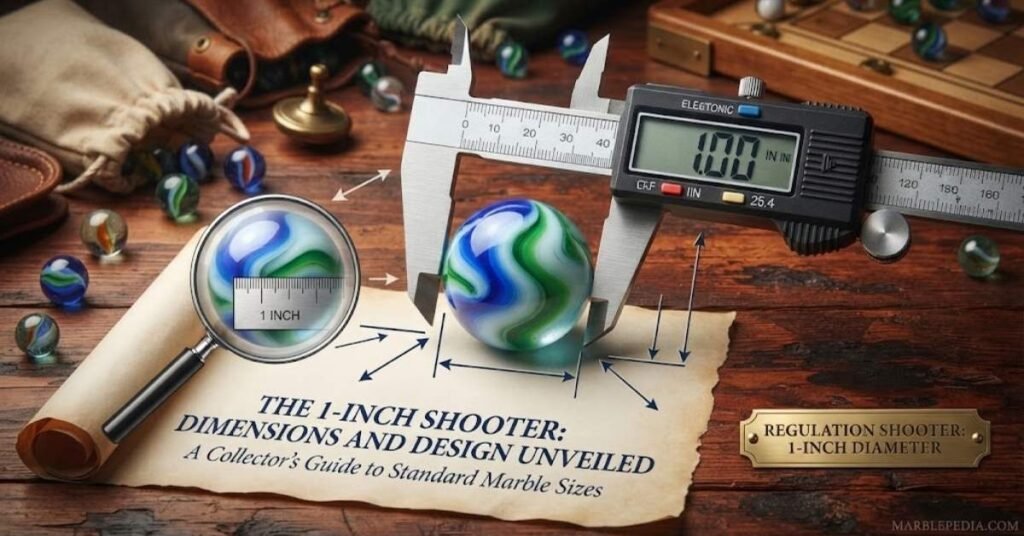
A shooter marble, the bigger one used to knock smaller marbles in a marble game, typically measures close to 1 inch in diameter. Regular playing marble pieces run smaller, usually around half an inch.
This glass marble size made shooters easy to grip and aim during backyard games. If you played marbles as a kid, you were basically holding a physical inch without knowing it.
Dig one out of an old toy box and roll it against a ruler. The nostalgia hits fast.
A 1-Inch Wood Screw
A 1-inch wood screw is exactly what it sounds like, a common size used in cabinet work, trim work, and light framing projects. It’s a staple in almost every home toolbox.
Contractors reach for this length constantly because it’s long enough to hold thin boards together without poking through the other side. It’s the Goldilocks size of hardware.
If you’ve ever assembled furniture from a flat-pack box, you’ve probably handled a few of these without reading the label.
Width of Masking Tape
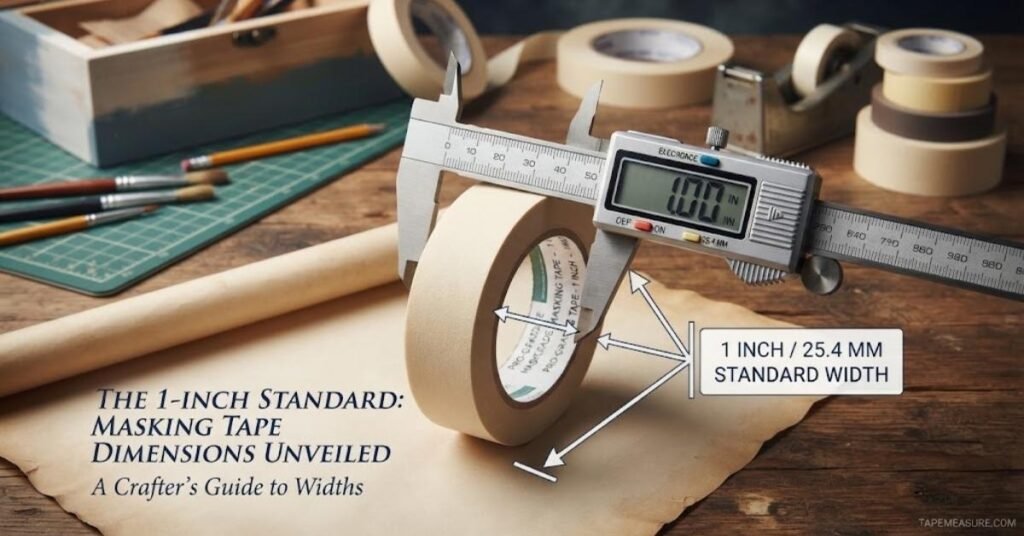
Standard masking tape, sometimes called painter’s tape, is commonly sold in a 1-inch width. It’s the go-to size for taping off edges before a paint job.
That tape width isn’t random. It’s wide enough to cover trim lines cleanly but narrow enough to bend around corners without wrinkling. Painters have relied on this exact size for decades.
Check the tape roll in your garage. There’s a good chance it says “1 inch” right on the label.
The Rings on a 1-Inch Binder
A 1-inch binder is named for the inside diameter of its metal rings, not the outer thickness of the binder itself. That binder rings measurement tells you roughly how many paper sheets it can comfortably hold.
Office supply shoppers use this inch measurement as shorthand for capacity. A 1-inch ring binder typically holds around 200 sheets of paper, give or take.
Next time you’re school or office supplies shopping, that number on the spine actually means something specific.
Inch-Wide Ribbon
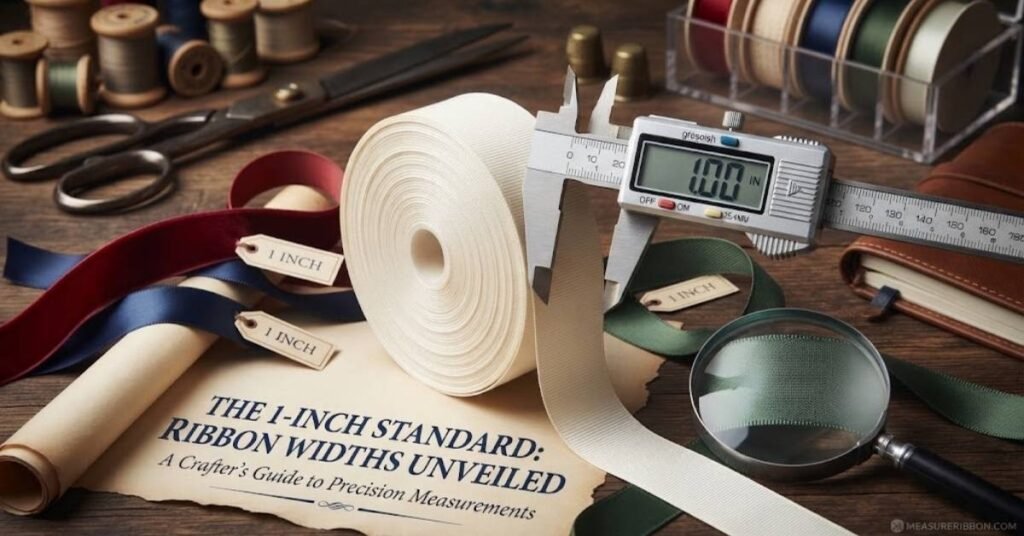
Walk into any fabric store and you’ll find spools of inch-wide ribbon used for gift wrapping, crafting, and decorations. It’s one of the most common craft supplies widths sold.
This particular size hits a sweet spot, wide enough to show patterns and prints clearly, narrow enough to tie neat bows without bulk. Gift ribbon in this width practically sells itself during holiday season.
If you’ve wrapped a present recently, there’s a fair chance you used this exact inch width without noticing.
Tip of Your Index Finger
Here’s a body measurement trick worth remembering. The tip of your index finger, from the very end to the first knuckle, measures close to 1 inch for most adults.
This finger measurement hack has been used for centuries, long before measuring tool devices were common. Tailors, carpenters, and cooks all leaned on quick hand measurement tricks like this one.
Try it now. Measure your own fingertip against a ruler. It’s probably closer to an inch than you’d guess.
1 Inch of Hair
Hair grows at a fairly predictable rate, and 1 inch of hair typically takes about six to eight weeks to grow out for most people. That’s the standard hair growth rate stylists quote during a haircut consultation.
If you’re growing out a hair trim or waiting for a hairstyle to fill in, this number helps set realistic expectations. Genetics and health play a role too, but this range holds fairly steady across most heads.
So if your stylist snips off “just an inch,” you’re really talking about roughly two months of growth, gone in seconds.
A Plump Grape
A plump grape, the kind you’d pick out at the grocery store for snacking, usually measures close to 1 inch across. It’s a handy, edible entry in any fruit size comparison.
Grape sizes vary by variety, but a well grown, juicy one lands right in this range more often than not. Table grapes bred for eating tend to run slightly larger than wine grapes.
Next time you’re snacking from a bowl, you’re basically eating a fruity inch.
A Cocktail Ice Cube
A cocktail ice cube, the big square kind used in whiskey glasses, is often cut close to 1 inch on each side. Bartenders prefer this size because it melts slower than crushed ice.
Slower melting means less drink dilution, which keeps your drink tasting the way it should for longer. That’s why fancy cocktail bars fuss over ice cube shape and size so much.
So the next time you order a drink “on the rocks,” that cube is doing quiet inch-sized work behind the scenes.
A Small Padlock
A small padlock, the kind used on a gym locker or a suitcase zipper, often measures close to 1 inch in lock width. It’s compact enough to be discreet but sturdy enough to actually secure something.
Luggage lock models especially favor this size, since airport security machines and zipper loops are built with a fairly standard opening. A padlock much wider wouldn’t even fit through some zipper pulls.
Check your gym bag or travel case. There’s a decent chance a 1-inch lock is already hanging off it.
How to Spot 1 Inch on a Ruler
Every standard ruler or tape measure breaks a single inch down into smaller inch marks. The biggest lines mark whole inches, and between them you’ll find fractional inch divisions, like half inch, quarter inch, eighth inch, and sixteenth inch marks.
Reading these gets easier with practice. The half inch mark sits right in the middle, the quarter inch lines split things further, and the tiny sixteenth inch ticks are the ones most people squint at. Once you know the pattern, though, it clicks fast.
If you’re new to reading a measurement scale, start by finding the whole numbers first, then work your way down to the smaller lines. It’s a skill that gets easier every single time you use it.
So What Is “1 Inch of Rain”?
Weather reports love throwing around “1 inch of rain” like everyone instantly understands it. Here’s the plain version. It means rainfall collected in a flat container would reach a depth of one inch, no matter the container’s shape.
But here’s the number that actually shocks people. One inch of rainfall depth over just one acre works out to roughly 27,154 gallons of water. Over a single square foot, that’s about 0.62 gallons. Multiply that across a neighborhood and you start understanding why flooding happens so fast during a real storm.
A rain gauge measures this exact water accumulation, and meteorologists use it to warn communities before a serious storm turns dangerous. So next time you hear “an inch of rain expected,” you’ll know that’s a lot more water than it sounds like.
1 Inch on a Screen
Screens measure differently than rulers, and this trips people up constantly. Screen measurement usually depends on screen pixels and something called DPI, or dots per inch.
At 72 DPI, an old web standard, 1 inch equals 72 pixel conversion units. At 96 DPI, common on many desktop monitor size settings, it’s 96 pixels. Modern phone screen displays often run at 300 DPI or higher, packing far more pixels into that same physical inch for a sharper display size result.
This is why a design that looks perfect on one monitor can look completely off on another. The physical inch stays the same, but the pixel density behind it doesn’t.
Why Visual Measurement Beats Guessing
Numbers alone rarely stick in memory the way real-life size comparisons do. Telling someone “it’s 2.54 centimeters” is technically correct, but showing them a penny stack or a wine cork does something a number never will.
That’s the whole idea behind an everyday size reference. Once your brain links an abstract unit to a physical reference object, size estimation gets easier for everything else too. You start eyeballing distances and dimensions more accurately without even trying.
This trick works for kids learning measurement in school and adults double checking furniture dimensions before a big purchase. It’s simple, but it genuinely works.
Quick Recap Table
| Object | Inch Dimension |
| Hockey Puck | 1 inch (height) |
| Stack of 6 Pennies | ~1 inch |
| Wine Cork | ~1 inch (diameter) |
| Dollar Coin | 1.043 inches |
| Forever Stamp | ~1 inch (width) |
| SD Card | 0.94 inches |
| Shooter Marble | ~1 inch |
| Wood Screw | 1 inch (length) |
| Masking Tape | 1 inch (width) |
| Binder Rings | 1 inch (diameter) |
Keep this quick reference handy the next time you need a fast exact measurement comparison without pulling out a measuring tool.
FAQs
What everyday object is exactly 1 inch?
A regulation hockey puck is one of the most precise examples, standing exactly 1 inch tall by official rule.
How many centimeters is 1 inch?
One inch equals 2.54 centimeters, a fixed conversion used worldwide.
Is a US quarter 1 inch wide?
Not quite. A quarter coin measures 0.955 inches, slightly under a true inch.
How long does it take hair to grow 1 inch?
Most people see 1 inch of hair growth in about six to eight weeks, depending on genetics and health.
How much water is in 1 inch of rain?
Roughly 27,154 gallons per acre, or about 0.62 gallons per square foot.
Why does 1 inch look different on screens?
Because screen measurement depends on DPI. Higher DPI packs more screen pixels into the same physical inch.

James Walker is a content writer and researcher with a passion for making everyday information simple, useful, and easy to understand. He enjoys researching measurements, dimensions, size comparisons, and interesting facts and turning them into clear, engaging content for readers.
Through his work at HipeDigest, James focuses on providing informative and reader-friendly articles that combine accuracy, simplicity, and practical examples. His goal is to help readers discover useful information while making every topic enjoyable and easy to explore.
