

You hear the number 50 feet all the time. A yacht listing, a fire truck spec sheet, a hiking trail sign. But what does it actually look like in real life?
This guide breaks down 50 feet in real life using stuff you already know. No tape measure needed, just everyday 50 foot objects you can picture right now.
How Long Is 50 Feet, Really?
Let’s answer how long is 50 feet in plain numbers first. 50 feet in meters comes out to 15.24 meters. 50 feet in inches is 600 inches.
50 feet in yards works out to 16.67 yards. 50 feet in centimeters lands at 1524 centimeters.
Numbers alone don’t stick though. That’s why 50 feet comparison examples matter more than raw math. Your brain remembers a school bus. It forgets a decimal point.
15 Daily Use Things That Measure 50 Feet
These things that measure 50 feet show up more than you think. Some you pass every day. Some you have only seen on TV.
1. Standard Fire Hose
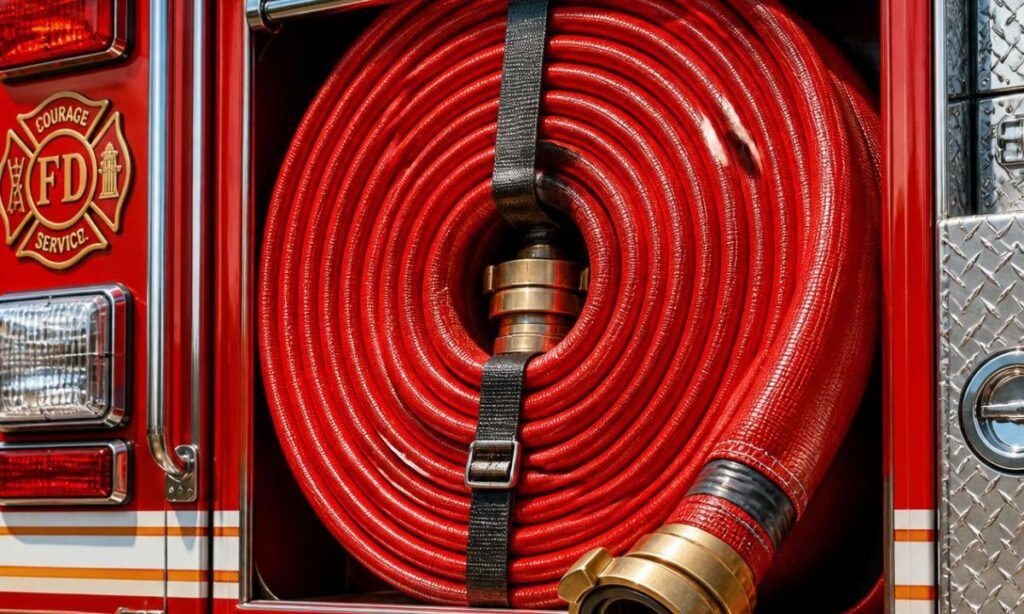
A single length of fire hose length on a truck usually runs close to 50 feet. Firefighters connect several together for longer reach.
Next time you see a hose reel outside a building, picture that coil stretched flat. That is your 50 foot distance right there.
2. Large Railroad Boxcar

A railroad boxcar length often sits right around 50 feet. Freight trains use this size because it balances cargo space with track curves.
Stand next to one at a crossing sometime. It feels bigger up close than it looks rolling by.
3. Aerial Fire Truck

An aerial fire truck with the ladder folded down often measures close to 50 feet nose to tail. That is a lot of truck for one narrow street.
This is one of those 50 foot objects that makes total sense once you see it parked next to a regular car.
4. Small Airport Runway Width
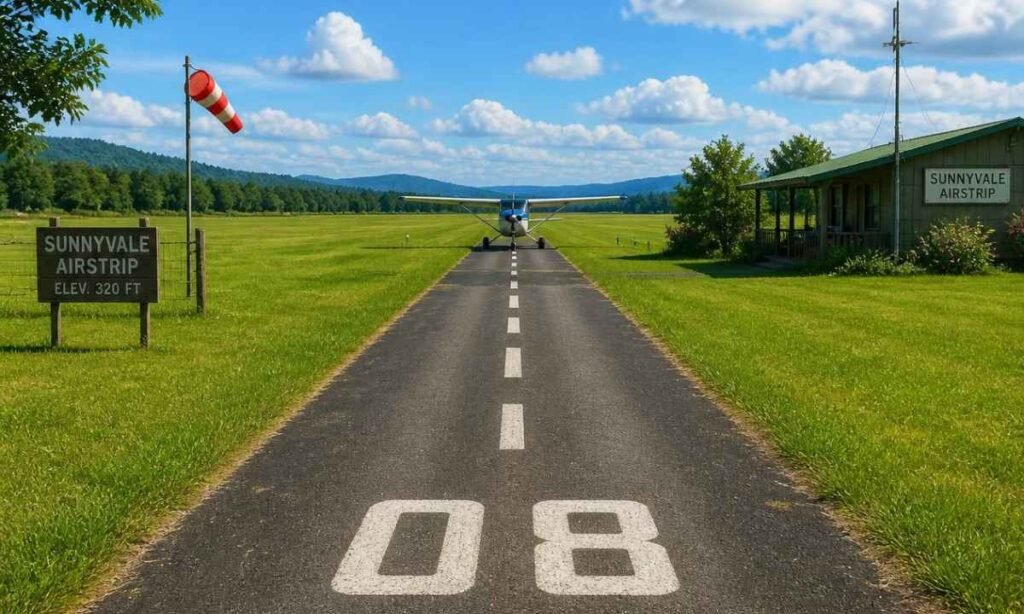
Some small regional runways use a 50 foot width for lighter aircraft. It is tight by aviation standards but plenty for smaller planes.
Pilots training on these strips get very used to judging 50 feet wide spaces fast.
5. NBA Basketball Court Width
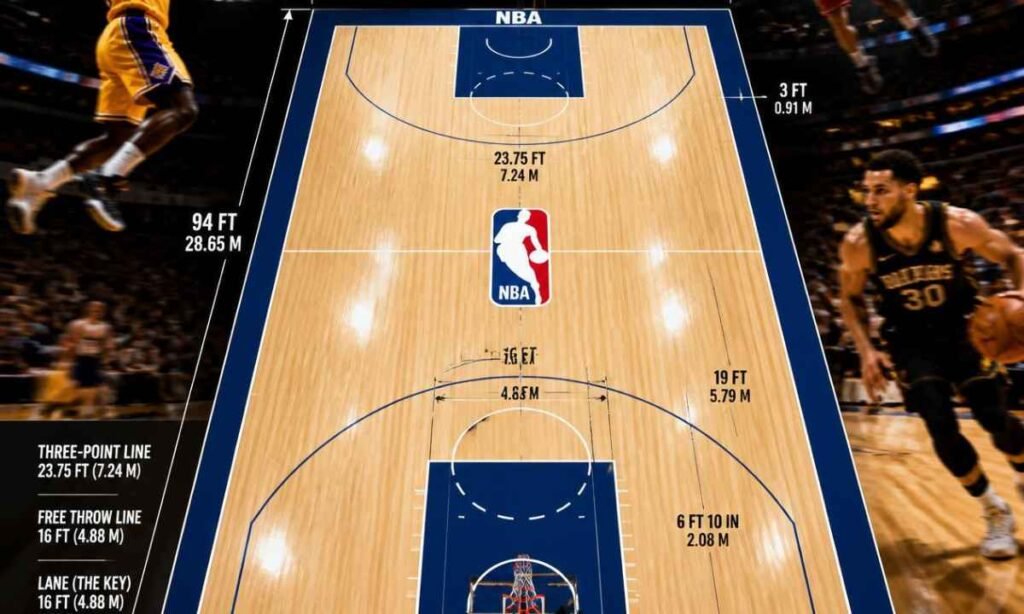
The NBA basketball court width is exactly 50 feet. The length is much longer, but the width gives you a clean, ready made 50 foot reference.
Ever watched a game and noticed how wide the court looks from baseline seats? Now you know why.
6. Futsal Court Width
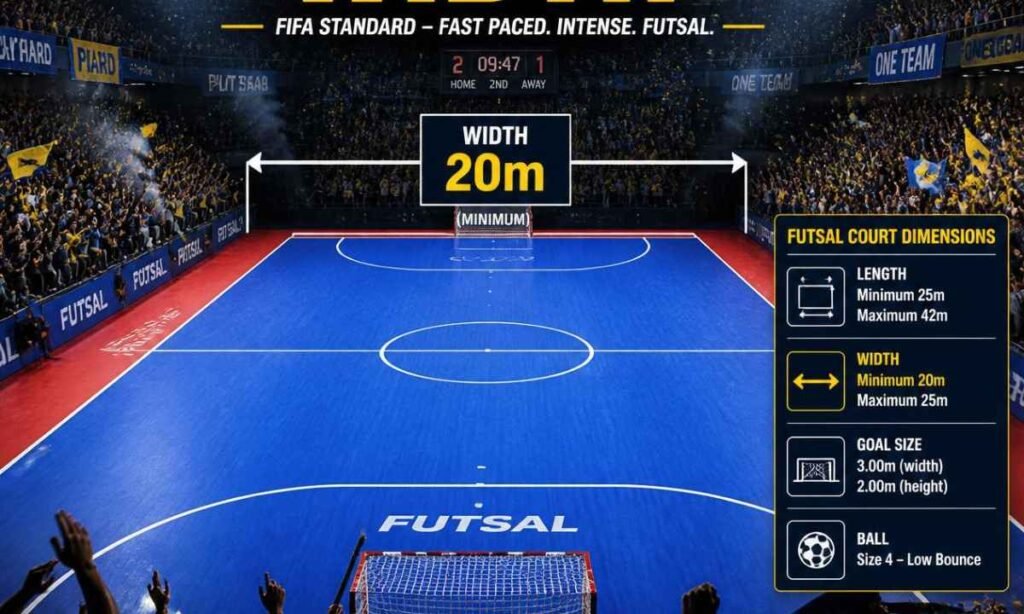
A futsal court width also lands close to 50 feet depending on the venue. Futsal courts are smaller than soccer fields but still need real room to move.
If you have played, you already have a feel for this distance in your legs.
7. A 50-Foot Yacht

A 50 foot yacht is a popular size in the boating world. Big enough for a cabin, small enough for one or two people to still manage.
Marinas are full of boats this size. It is a sweet spot buyers ask for by name.
8. Five-Story Building

A five story building height often reaches roughly 50 feet, using about 10 feet per floor. Look up at a mid rise apartment block and you are looking at this exact height.
It is one of the easiest 50 feet tall objects to spot in any city.
9. Adult Humpback Whale

An adult humpback whale length can reach close to 50 feet. That is longer than most city buses, gliding through open water.
Whale watchers often gasp the first time one surfaces nearby. The size only really hits you in person.
10. Twenty Average Walking Steps

Count out about 20 average walking steps and you have covered close to 50 feet. Step length varies by person, but this is a solid rough guide.
This trick works anywhere. No app, no tool, just your own two feet.
11. Large Tanker Truck

A tanker truck length on the highway commonly runs near 50 feet including the cab. That is why they need extra room to turn and stop.
Give these trucks space on the road. Their size is not just for show.
12. Mature White Pine Tree

A fully grown white pine tree height can reach 50 feet or taller in the right conditions. These trees grow fast and stand out in any forest line.
If you have hiked near one, you probably tilted your head back more than once.
13. Peggy’s Point Lighthouse

Peggy’s Point Lighthouse stands close to 50 feet tall on the Canadian coast. It is short compared to famous lighthouses worldwide but still iconic in photos.
Sometimes the smaller ones make the best postcards.
14. Dignity Sculpture, South Dakota

The Dignity sculpture in South Dakota rises about 50 feet into the sky. It honors Lakota and Dakota culture and is visible from the highway below.
Public art at this scale turns a regular drive into something memorable.
15. A Standard Utility Pole

Plenty of the poles lining your street are cut to 50 feet before part of that length gets buried in the ground. That leaves a solid, visible height carrying power lines over your head.
Next walk you take, glance up. You are probably passing several of these 50 foot tall objects without noticing.
Measure 50 Feet Without Any Tools
Not every job needs a tape measure. A few tricks help with quick distance estimation when you just need a rough number.
Your arm span measurement is close to your height for most adults. Stack four or five arm spans and you land near 50 feet fast.
Car lengths work the same way. Line up three regular cars bumper to bumper and you are close to that mark again.
Two Measuring Mistakes Worth Knowing about 50 feet
The first mistake is guessing based on how a space looks in photos. Wide angle camera lenses stretch distance and throw off your read on 50 feet visualized.
The second mistake is mixing up units mid project. Confusing yards and feet on something meant to total 16.67 yards can throw a whole plan off by several feet.
Why Does Knowing 50 Feet Actually Matter?
50 feet shows up in home projects, sports, travel, and even backyard fencing plans. Getting a fast, confident read on this length saves time and avoids costly redo work.
Once you have a few of these 50 foot examples locked in your head, you stop needing a tool for every quick check.
Conclusion
50 feet stops being an abstract number once you connect it to things you already know. A basketball court, a five story building, a humpback whale gliding by.
Next time someone mentions 50 feet long or 50 feet big, you will already have a picture in your head, no measuring tape required.

James Walker is a content writer and researcher with a passion for making everyday information simple, useful, and easy to understand. He enjoys researching measurements, dimensions, size comparisons, and interesting facts and turning them into clear, engaging content for readers.
Through his work at HipeDigest, James focuses on providing informative and reader-friendly articles that combine accuracy, simplicity, and practical examples. His goal is to help readers discover useful information while making every topic enjoyable and easy to explore.
